(Українська) 💻 Екосистема Rust в освіті: технічні, адміністративні та фінансові аспекти впровадження


International research, new professional skills, friendships with people from around the world, and adventures across Canada — all of this became part of the summer of Ivan Duzhak, a student at the Faculty of Electronics and Information Technologies (ElIT) at Sumy State University, who participated in the Mitacs research program.
Ivan completed his internship at the University of Manitoba in Winnipeg under the supervision of Professor Hamid Mansoor. His research project was titled Visual Analysis of Digital Endpoint Data in Clinical Trials.
We spoke with Ivan about his research experience, life abroad, and why he encourages other students to apply for international programs.
During his internship, Ivan developed a web application designed to help physicians analyze digital endpoint data for a specific disease.
Working in an unfamiliar field proved to be a significant challenge. He had to learn new concepts while simultaneously applying his knowledge to a real research project.
What was the most challenging part of the project?
“Honestly, I had zero experience in this field, so it was VERY difficult — like giving fire to a Neanderthal. I was learning and working on the project at the same time. But it was worth it.”
Despite the challenges, the internship provided valuable hands-on research experience, helped him develop professional skills, and gave him a better understanding of how research is conducted in an international academic environment.
English was another concern before the trip. Ivan worried whether his language skills would be sufficient for everyday communication and academic work. However, after just a few weeks, he felt much more confident speaking English.
“My advice is not to worry too much about your English. I met people who could barely understand anything when they first arrived. The most important things are motivation and genuine interest — everything else will come with practice.”
The internship was an opportunity to learn not only professionally but also how to manage everyday life independently.
Living in a student residence, Ivan met people from different countries and discovered an unexpected new hobby: cooking. Before arriving in Canada, he had practically no cooking experience. Soon, however, grocery shopping and preparing meals became part of his daily routine.
Eventually, cooking even became a way to unwind after a day of research.
“I lived in a student residence and cooked for everyone. I made a five-litre pot of borscht three times, along with different sweets. Some people asked for seconds, while others wanted me to cook it again. It was fun.”
Cultural exchange worked both ways. During a Colombian Food Day, his friends from Colombia prepared sancocho, a traditional Colombian soup, introducing other students to their country’s cuisine.
Throughout his stay, Ivan met people from Colombia, Mexico, Pakistan, India, Canada, and many other countries.
How do you make friends when you arrive in another country on your own?
According to Ivan, the key is to stay open to new connections and take the initiative. He even used Reddit to find people to hang out with and met someone who later took him on trips to nearby beaches and other cities.
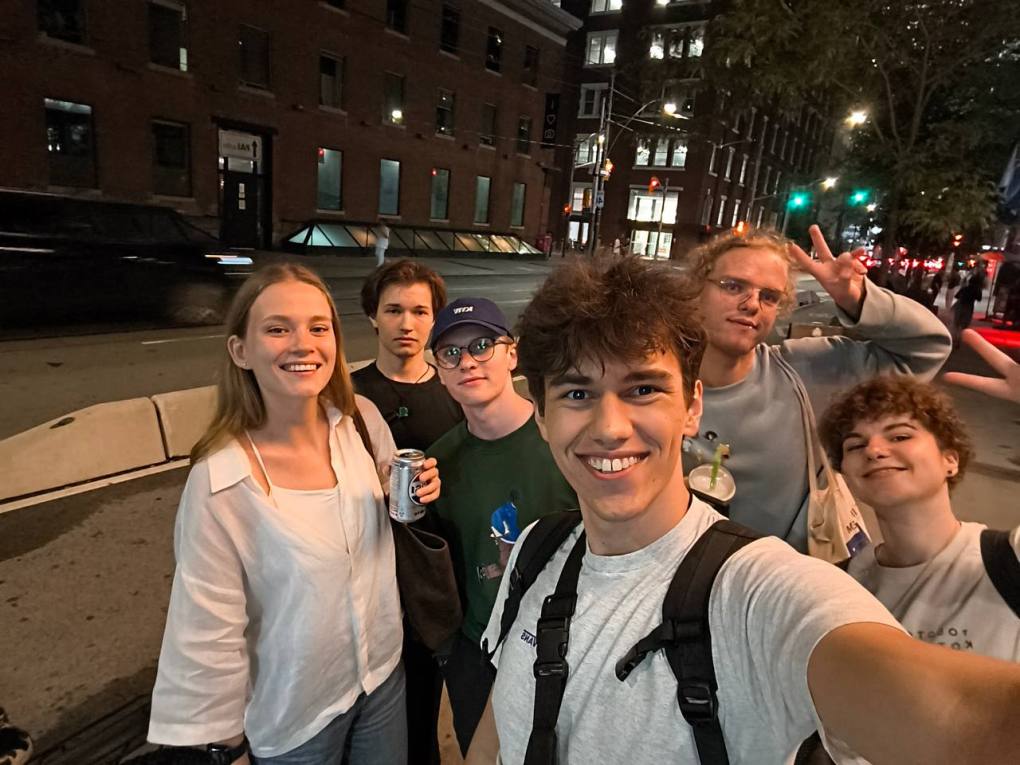
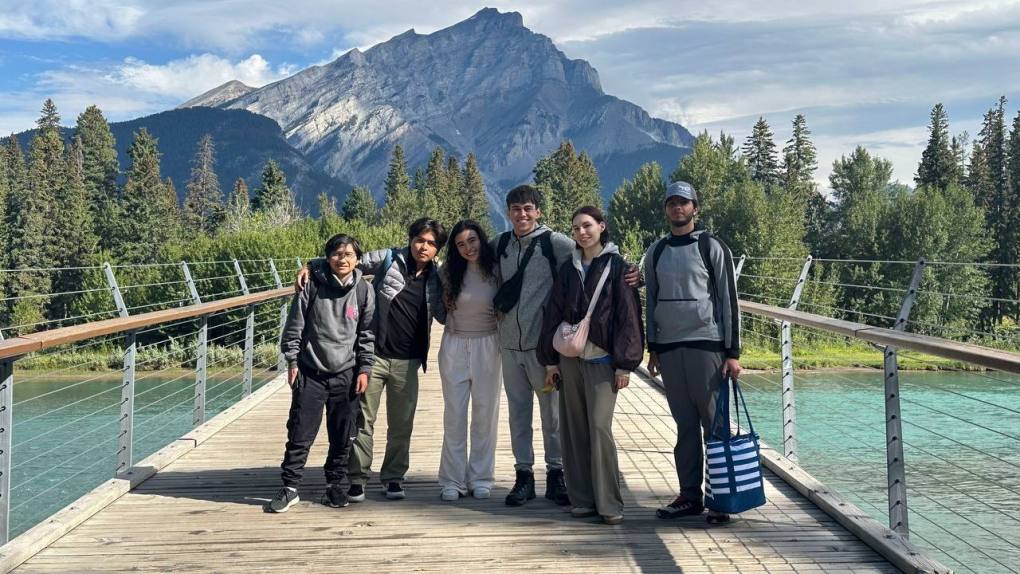
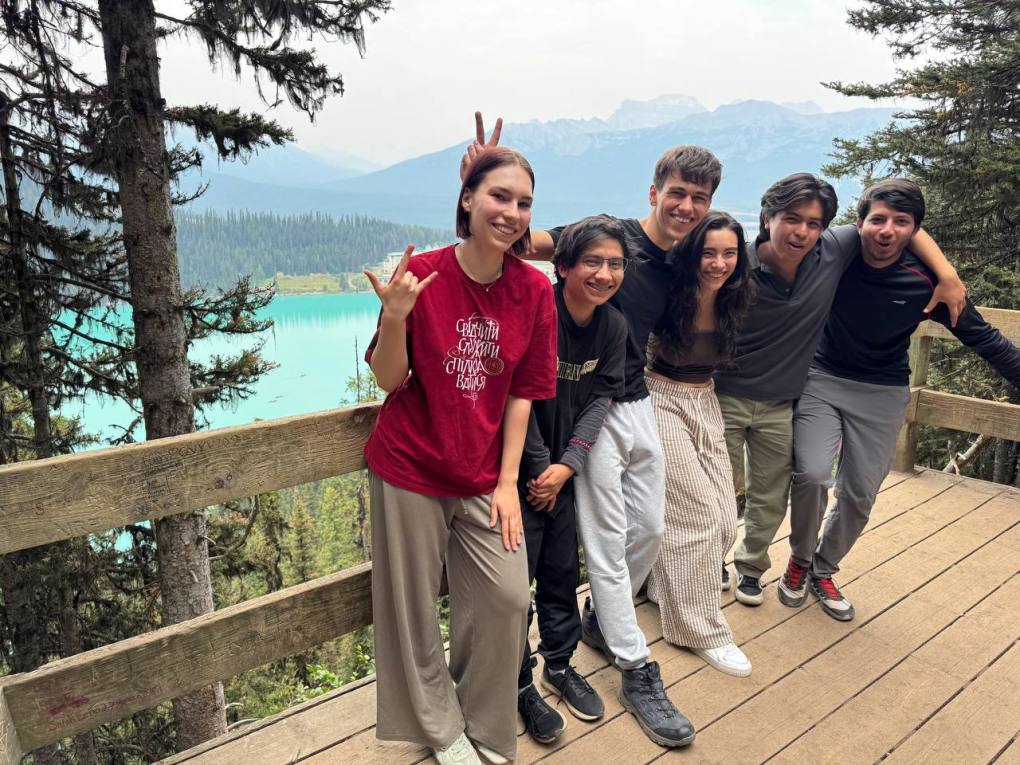
Ivan’s three months in Canada were about much more than research. He also travelled around the country, including spontaneous trips to Toronto and Banff National Park.
The Toronto trip was arranged on the spur of the moment, with a group of people he barely knew. The trip to Banff, however, became a particularly memorable adventure.
The group planned to spend three nights camping but missed two buses along the way. When they finally arrived with all their food, they discovered that campfires were not allowed.
“We survived on canned tuna for three days. Tuna for breakfast, tuna for lunch, tuna for dinner. I definitely won’t be eating tuna again anytime soon.”
Stories like these became an unforgettable part of the experience, teaching Ivan to adapt to unexpected situations, work with others, and step outside his comfort zone.
For Ivan, participating in Mitacs turned out to be much more than a summer internship abroad. Working on a research project helped strengthen his CV, develop professional competencies, and experience the benefits of international collaboration firsthand.
The program also helped him improve his English, become more independent, strengthen his communication skills, and build friendships that may last long after returning home.
What would you say to students who are still unsure whether they should apply for an international program?
“My first piece of advice is: apply right now. This program is the best thing that has ever happened to me. In three months, I had more adventures than I probably would have had in ten years living in Sumy.”
After returning from Canada, Ivan almost immediately set off on another international program, this time in Ireland.
His main advice to other students is not to wait until they feel completely ready, but to take advantage of opportunities to learn, conduct research, and grow professionally.
Ivan’s Mitacs experience shows that an international research internship is more than just another line on your CV. It is an opportunity to challenge yourself, discover new horizons, and gain experiences that will stay with you for years to come.


The Department of Information Technologies has presented, discussed, and approved the Strategic Plan for the Development of the Department’s International Activities for 2026–2031 (Minutes No. 10 dated April 21, 2026). The document was developed based on an analysis of the department’s international activities in 2025. It defines key priorities for expanding academic mobility, strengthening grant activities, implementing international online learning, and enhancing the department’s global visibility within the European higher education landscape.
An analysis of international activity indicators as of the end of 2025 demonstrated positive development dynamics and the department’s strong potential. The Department of Information Technologies ranked 21st in the university-wide ranking. The department already has a solid foundation based on the regular participation of academic staff and students in academic mobility programmes, successful implementation of individual grants, and involvement in university-wide Erasmus+ projects. This experience provides a reliable basis for further growth, increased grant funding, enhanced global visibility, and more active systematic integration into international research ecosystems.
The Strategy aims to transform the department into an open and innovative partner within the European higher education landscape. Key areas of activity include the expansion of academic exchange programmes, with KPIs of at least 20% of academic staff participating in international training annually and 10% of students taking part in mobility programmes each year; systematic applications to Horizon Europe and Erasmus+ calls, involving at least 40% of academic staff; implementation of Collaborative Online International Learning (COIL) methodology; as well as comprehensive SEO optimisation of web resources and the regular updating of researchers’ international academic profiles.
The approved Strategic Plan for 2026–2031 will facilitate the transition from the “Brain Drain” concept to “Brain Circulation” and contribute to building a sustainable ecosystem for the reconstruction of Ukraine through IT innovation.
The document is aimed at transforming the department into an open, innovative, and globally integrated partner within the European higher education landscape. The Strategy is fully aligned with Sumy State University’s Internationalisation Strategy for 2026–2030. Its main focus is on moving from the “Brain Drain” concept towards “Brain Circulation”, ensuring a “Connected Global University” approach and creating a sustainable ecosystem for the reconstruction of Ukraine through IT innovation.
An analysis of the department’s performance as of the end of 2025 demonstrates significant research potential that requires greater global visibility. The new Strategy is designed to strengthen the quality of grant activities, expand academic mobility indicators, and integrate the department into international project ecosystems.
The approved Strategic Plan will serve as a foundation for further expanding international partnerships, improving the quality of education, and strengthening the research capacity of the Department of Information Technologies.
*AI-generated image
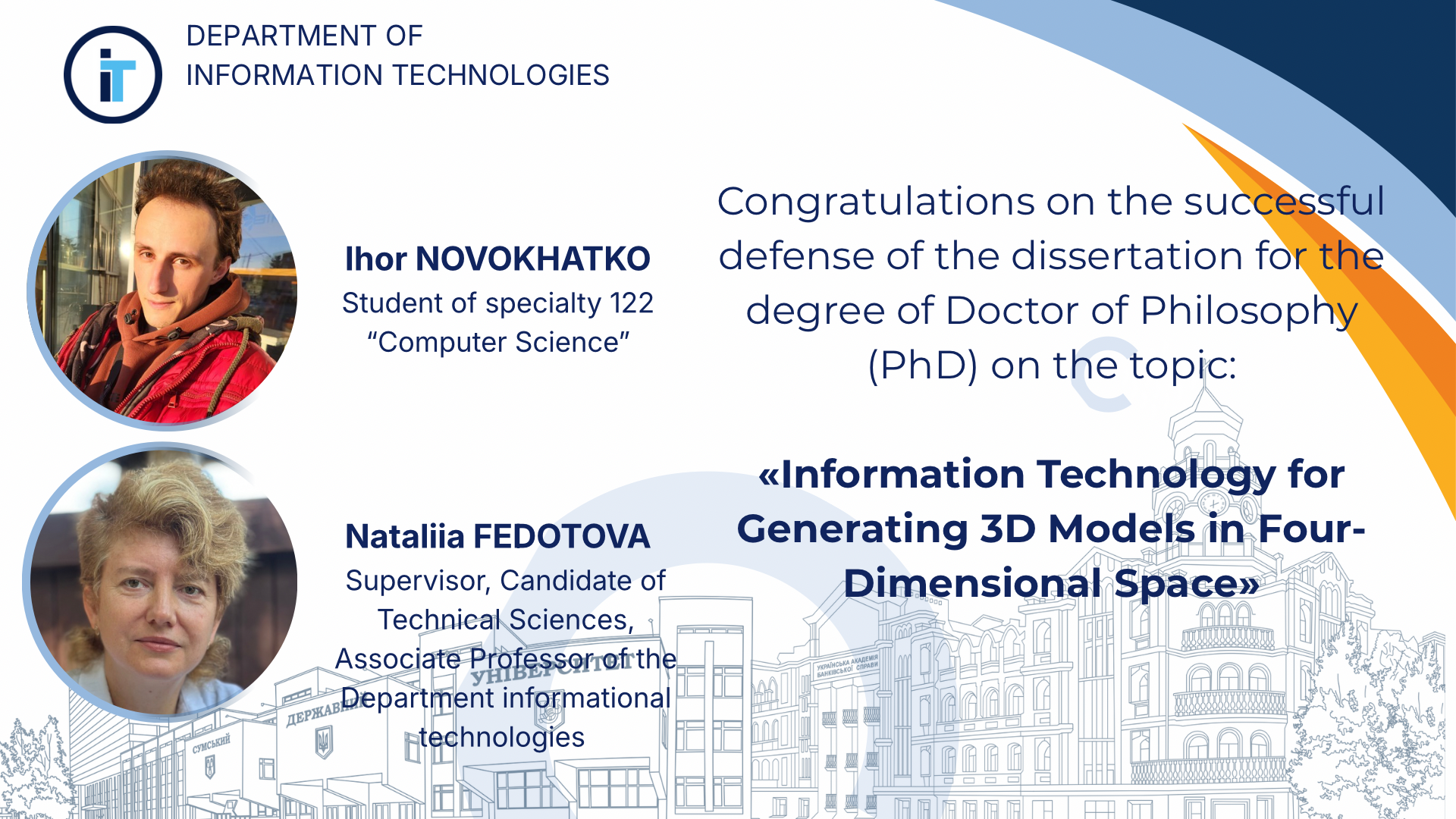
On September 10, 2026, Ihor Oleksandrovych Novokhatko successfully defended his dissertation for the degree of Doctor of Philosophy (PhD) in Speciality 122 “Computer Science”.
The topic of the dissertation is:
“Information Technology for Generating 3D Models in Four-Dimensional Space”
Academic Supervisor:
Nataliia Anatoliivna Fedotova
The dissertation defense was held before a one-time Specialized Academic Council, which included:
Chair of the Council:
Reviewers:
Official Opponents:
We sincerely congratulate Ihor Novokhatko and his academic supervisor, Nataliia Fedotova, on this important academic achievement!
We wish Ihor further scientific accomplishments, inspiring research, professional growth, and the successful implementation of new ideas in the field of Computer Science!
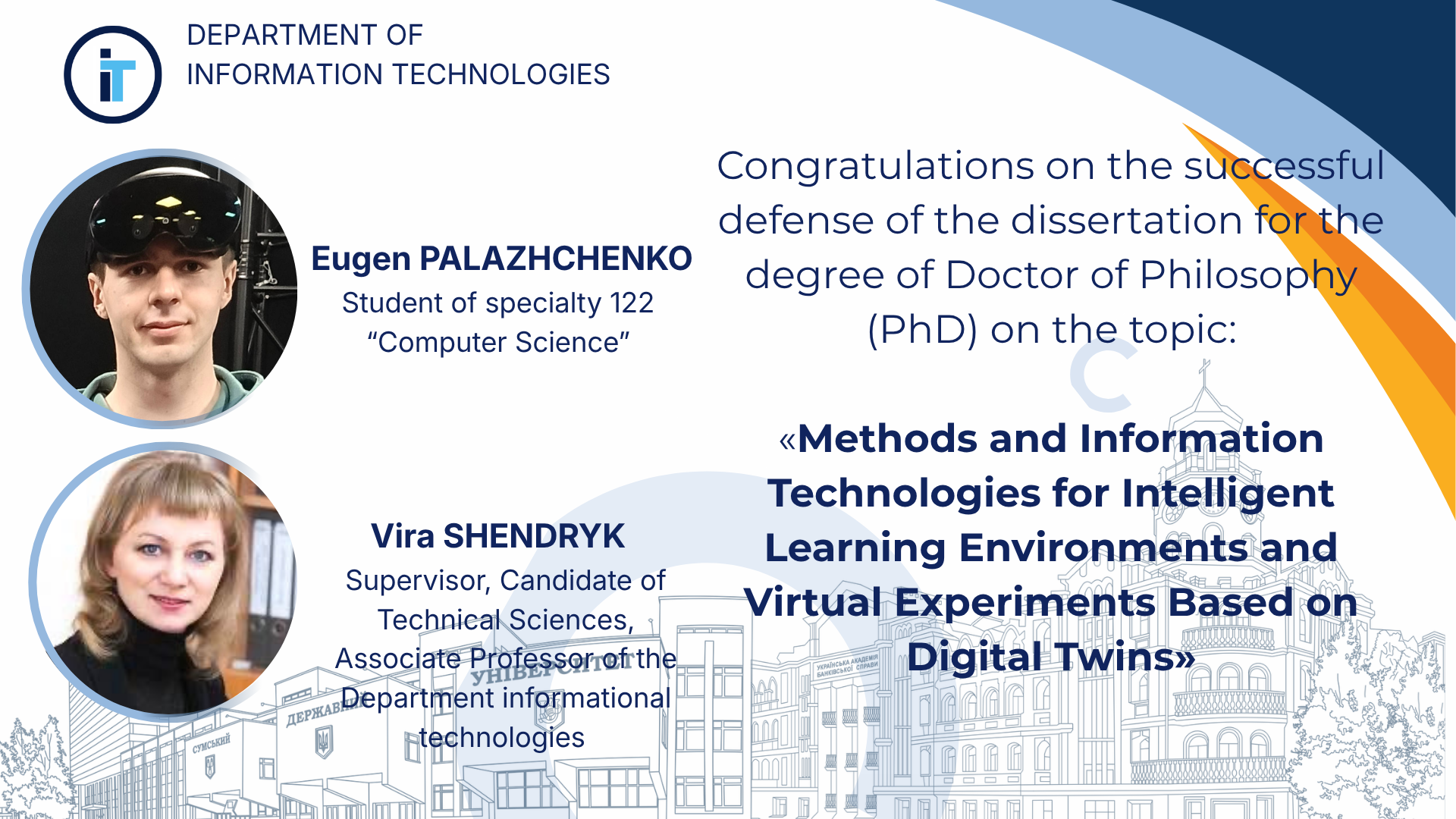
Yevhen PALAZHCHENKO recently successfully defended his dissertation for the degree of Doctor of Philosophy (PhD) in “Computer Science”.
The dissertation research, titled “Methods and Information Technologies for Intelligent Learning Environments and Virtual Experiments Based on Digital Twins,” is devoted to innovative approaches in the field of human-machine interaction. The proposed algorithms allow systems to react in real time to the operator’s state, opening up new possibilities for the development of collaborative robots and virtual simulators.
Fruitful international cooperation became a significant component of the dissertation preparation. A substantial part of the research was conducted in partnership between Sumy State University and the University of Liverpool within the framework of the Co-supervision Research Fellowship Programme, which is implemented under the auspices of the UK-Ukraine Twinning Initiative. The dissertation work was carried out under the joint supervision of Vira SHENDRYK, Associate Professor at the Department of Information Technology at SumDU, and Georg MEYER, Honorary Research Professor at the University of Liverpool. This interaction, which began in 2023, resulted in a series of research visits to the UK, the preparation of joint scientific publications, and participation in conferences dedicated to the development of the UK-Ukraine academic partnership. Thanks to this program, the candidate had the opportunity to conduct experimental testing of the developed methods at the Digital Innovation Facility (DIF). Access to the modern equipment of the Immersive Technologies Laboratory and optical tracking systems made it possible to significantly strengthen the practical component of the research.
“First and foremost, I would like to express my deepest gratitude to my supervisors, Vira Shendryk and Georg Meyer, for their guidance, patience, constructive feedback, and the academic freedom they have afforded me. This thesis was made possible by the long-standing international partnership between our universities, and I am particularly grateful to the programme coordinators, Tetyana Mayboroda and Professor Igor Potapov, for their vital role in making this collaboration a reality. After all, any theoretical model in robotics requires rigorous practical testing. Working in the advanced laboratories of the University of Liverpool allowed me to take the experimental part of the dissertation to a qualitatively new level and prove the viability of the methods on real industrial equipment,” notes Yevhen PALAZHCHENKO.
Sumy State University sincerely congratulates Yevhen Palazhchenko on the successful defense of his dissertation and wishes him continued success!
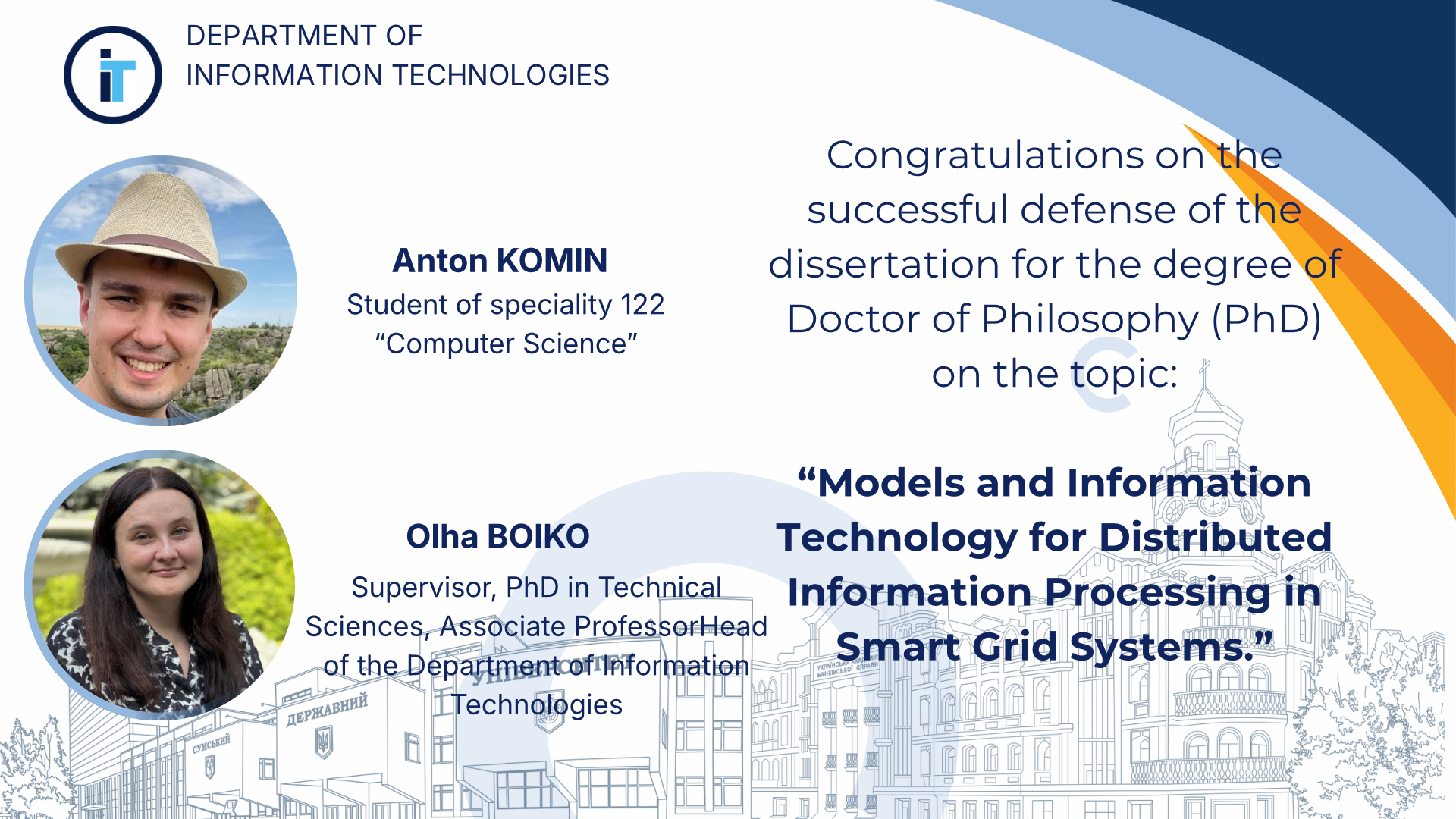
On September 9, 2026, Anton Serhiiovych Komin, a PhD candidate at the Department of Information Technologies, successfully defended his dissertation titled “Models and Information Technology for Distributed Information Processing in Smart Grid Systems.”
The aim of the research was to increase the autonomy of information processing and the level of user data privacy at the edge nodes of Smart Grid systems through the development of models, methods, and information technology for distributed information processing using machine learning models on low-power edge devices.
Supervisor:
Olha Vasylivna Boiko, Ph.D. (Candidate of Technical Sciences), Associate Professor, Associate Professor of the Department of Information Technologies, Sumy State University
Chairman of the Council:
S.O. Tymchuk, Doctor of Technical Sciences, Associate Professor, Professor of the Department of Information Technologies, Sumy State University
Reviewers:
Opponents:
We warmly congratulate Anton Serhiiovych on this important scientific achievement and wish him continued success in his scientific career!
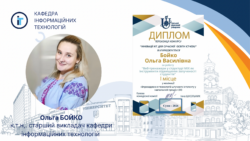
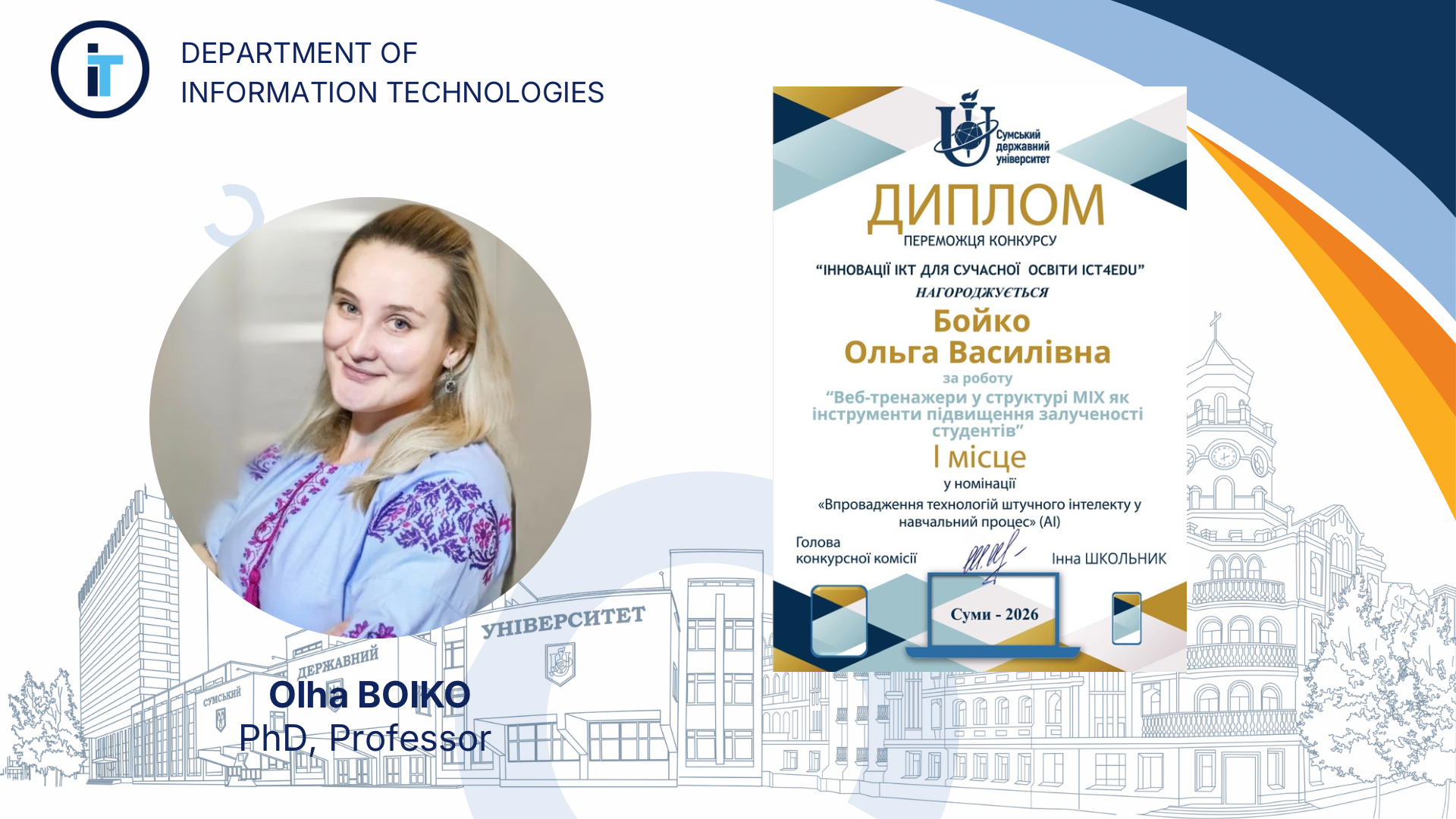
We sincerely congratulate Olha Boiko, PhD in Engineering, Associate Professor and Senior Lecturer at our Department, on winning the annual “ICT Innovations for Modern Education ICT4EDU” competition organized by Sumy State University.
For her work “Web-Based Trainers within the MIX Structure as Tools for Enhancing Student Engagement,” Olha Boiko took 1st place in the “Implementation of Artificial Intelligence Technologies in the Educational Process” (AI) category.
In her work, the lecturer presented practical experience in using artificial intelligence to develop web-based trainers designed to increase students’ motivation, activity, and engagement in the learning process.
The project demonstrates how modern ICT tools and artificial intelligence can be effectively integrated into educational technologies, making learning more interactive, practical, and engaging for students.
We congratulate Olha Boiko on this outstanding achievement and wish her new professional accomplishments, inspiring ideas, and many successful projects ahead!
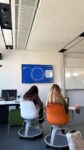
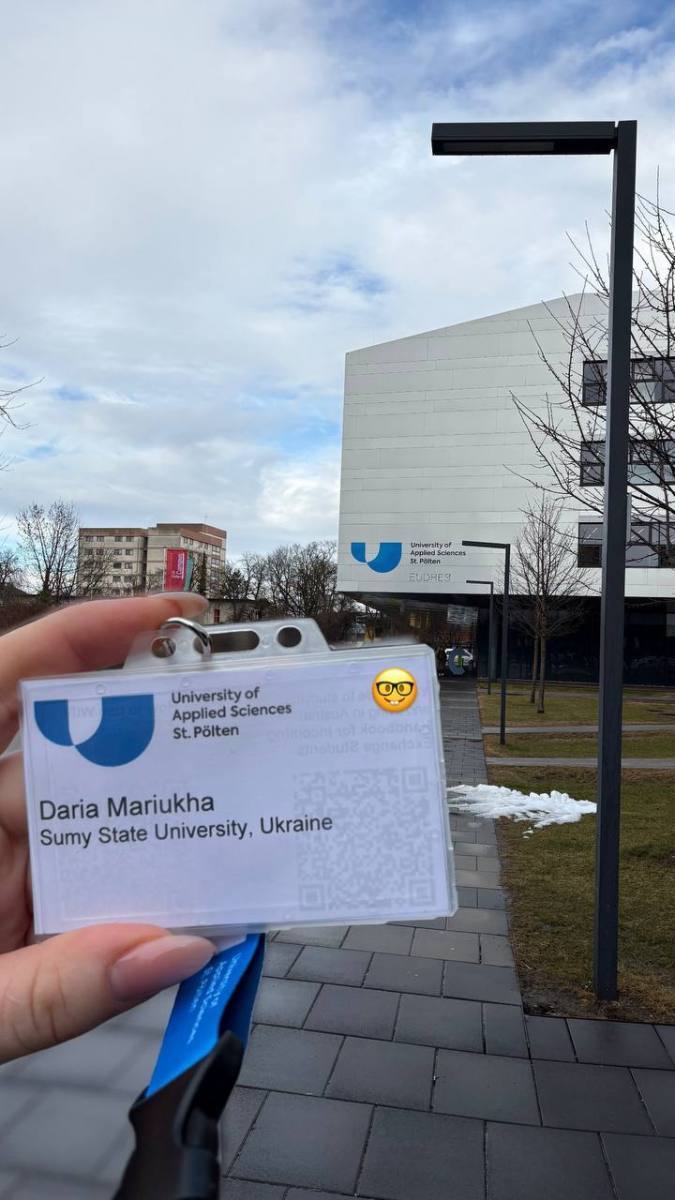
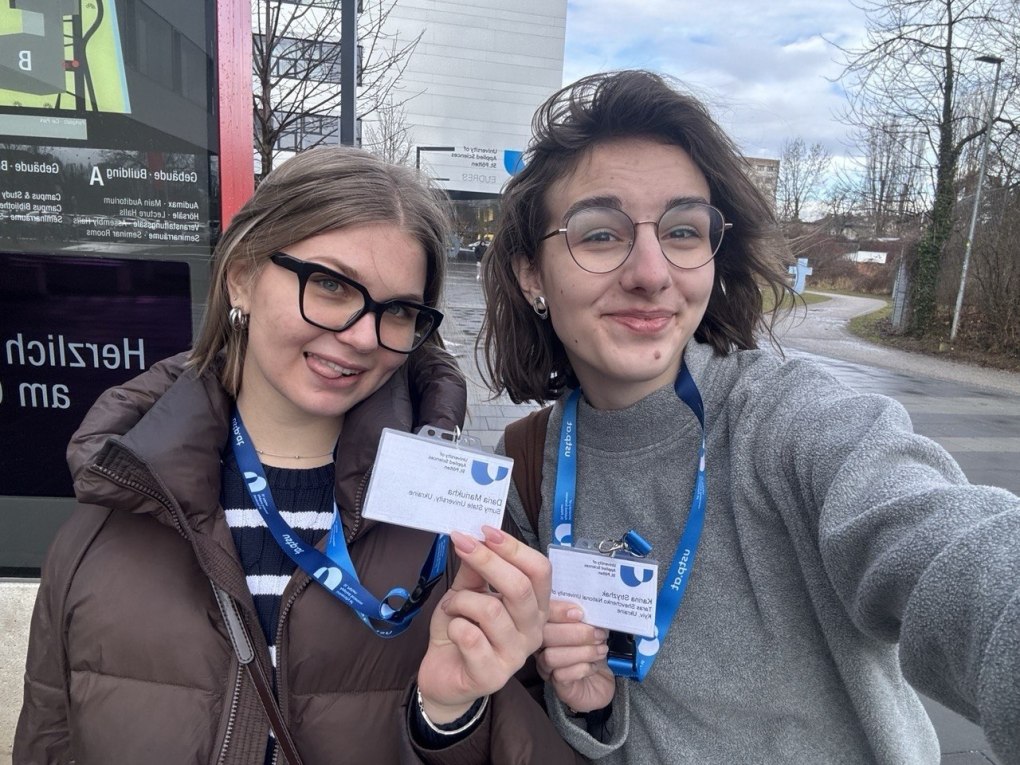
The spring semester of 2026 became a special chapter in the life of Daria Mariukha, a student of the Faculty of Electronics and Information Technologies at Sumy State University. Studying for a Bachelor’s degree in specialty 122 “Computer Science”, within the “Information Technology for Design” educational programme, Daria had the opportunity to spend a semester in Austria at St. Pölten University of Applied Sciences.
The student shares her impressions of studying abroad, life in Austria, travelling across Europe, and the moments that will stay with her forever.
“My Erasmus+ experience in St. Pölten during the spring semester of 2026 became one of the best experiences of my life,” Daria says.
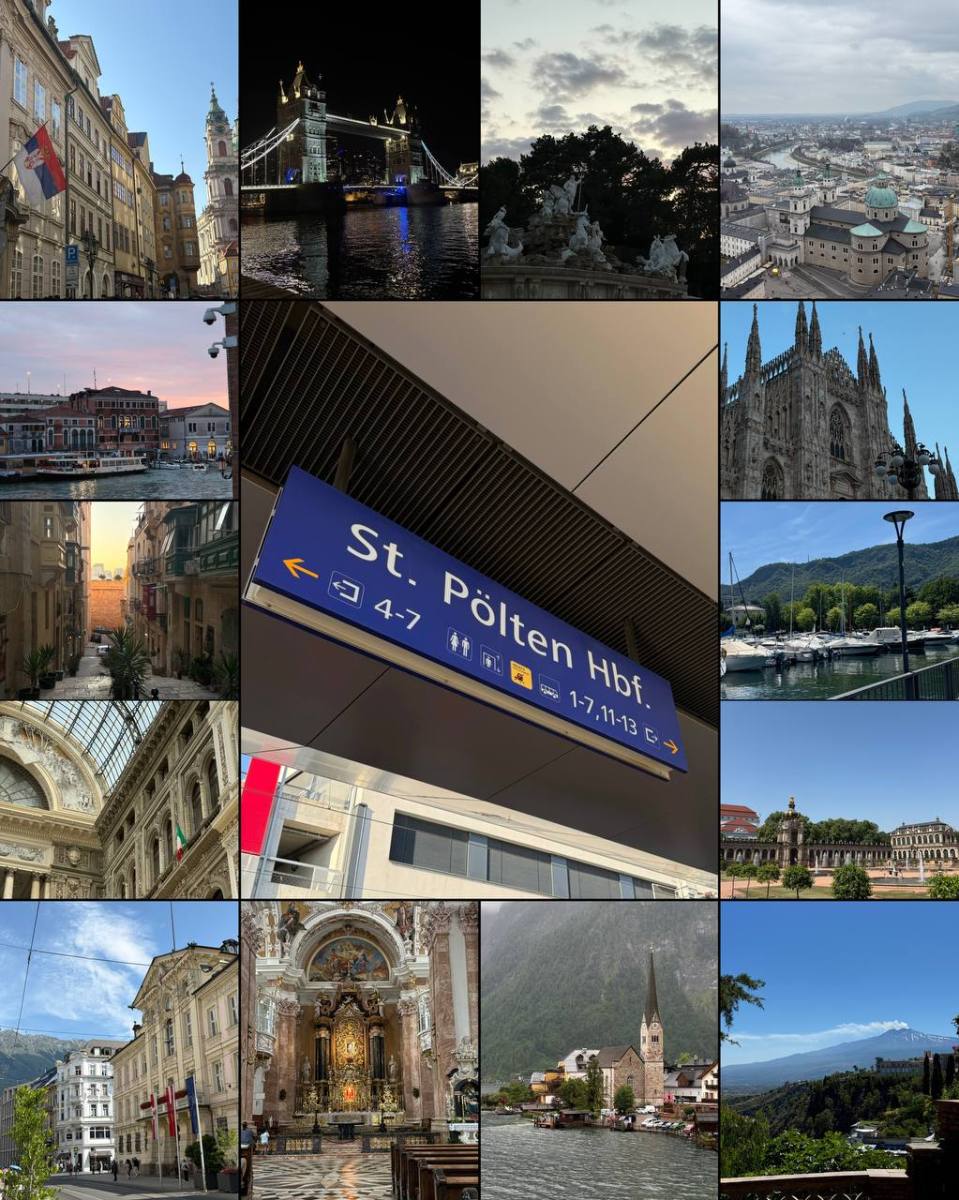
One of the advantages of studying in St. Pölten was its location — just about 30 minutes from Vienna. At the same time, Erasmus+ gave Daria an opportunity to travel and discover different parts of Europe.
During her semester, she visited Vienna, Salzburg, Hallstatt, Innsbruck, Prague, Dresden, Venice, Malta and Sicily. She also travelled to Lake Como, Naples and Milan, and even managed to visit London.
“Studying just 30 minutes from Vienna is already incredible, but what impressed me even more was how many opportunities Austria offers,” the student says.
One of the most memorable moments of the semester was Daria’s 20th birthday, which she celebrated on a beach in Sicily.
“I celebrated my 20th birthday on a beach in Sicily — something I had once only dreamed about,” she recalls.
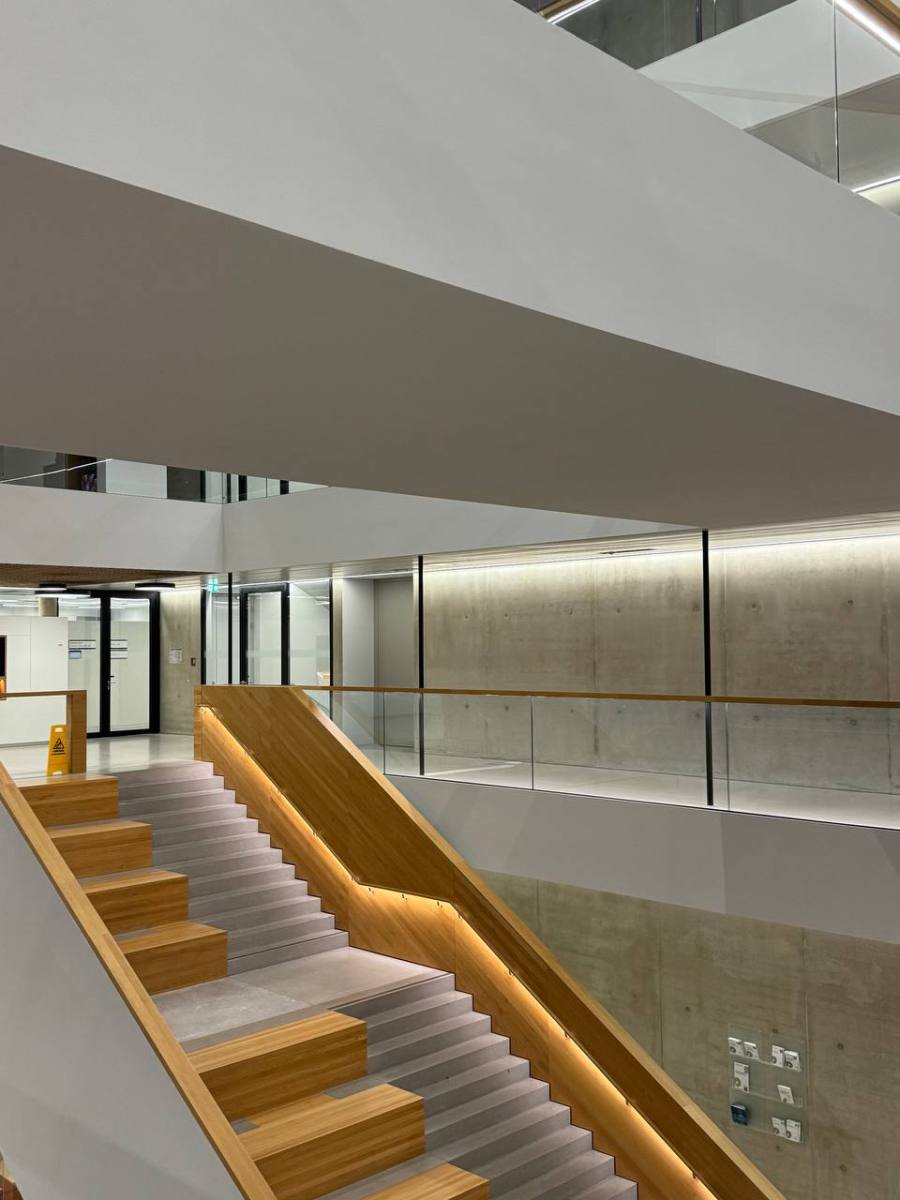
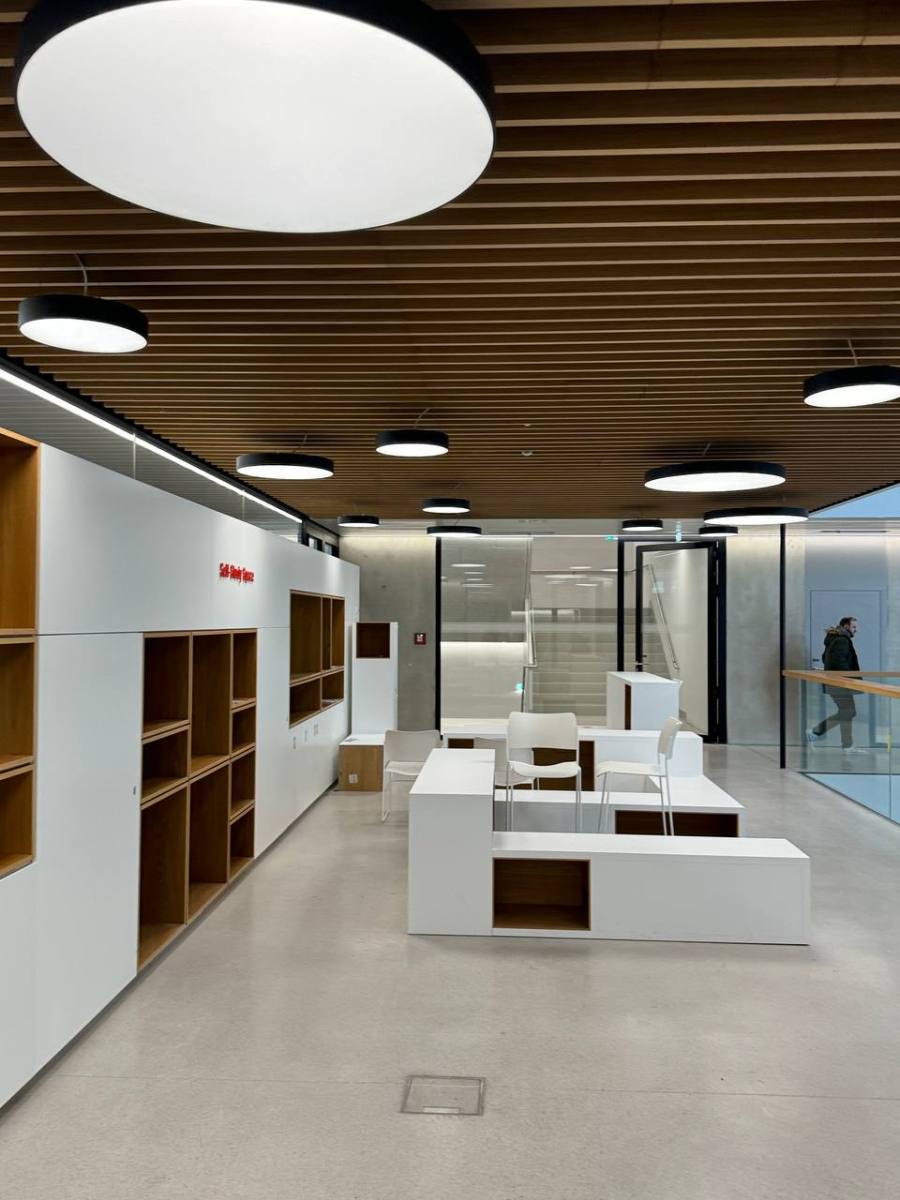
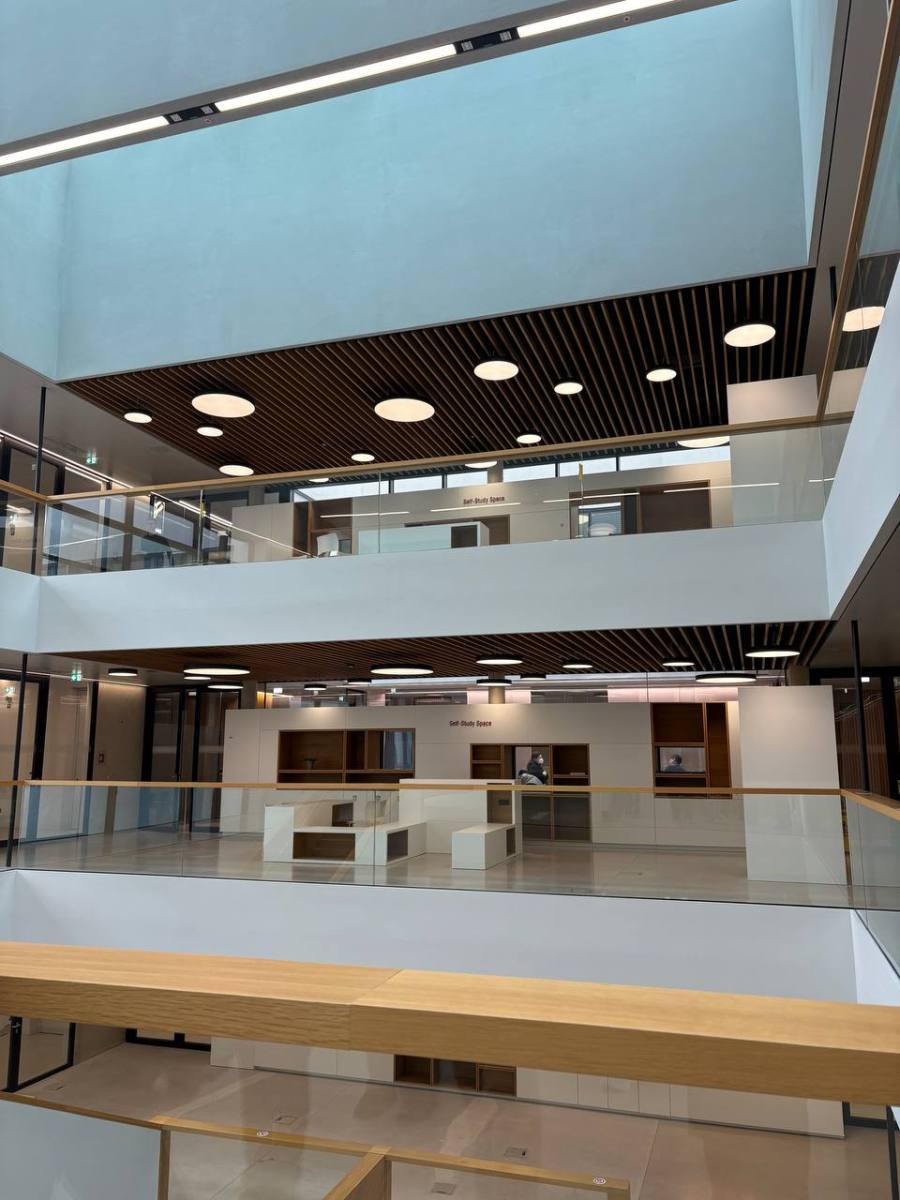
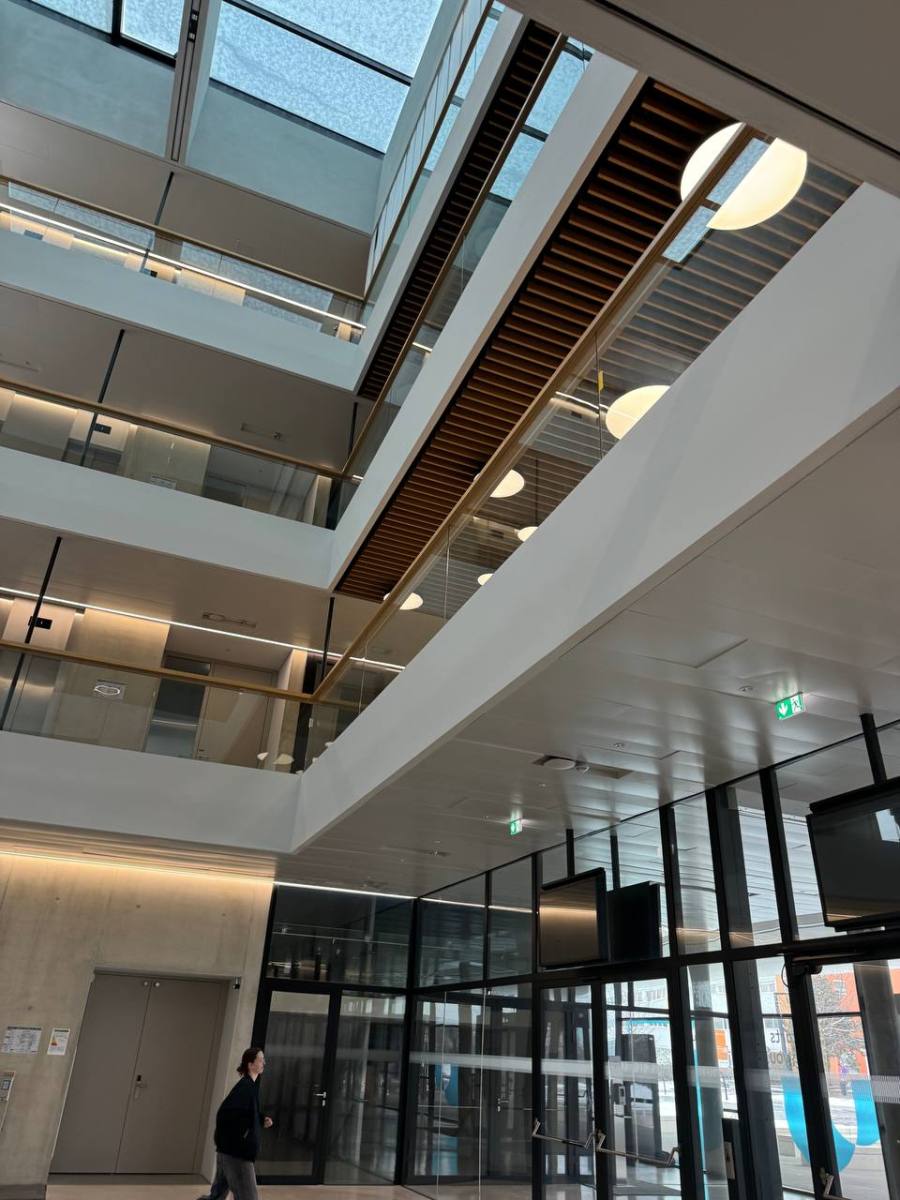
The academic experience itself was equally important. According to Daria, St. Pölten University of Applied Sciences exceeded her expectations with its modern campus, numerous spaces for independent study, and a practical approach to education.
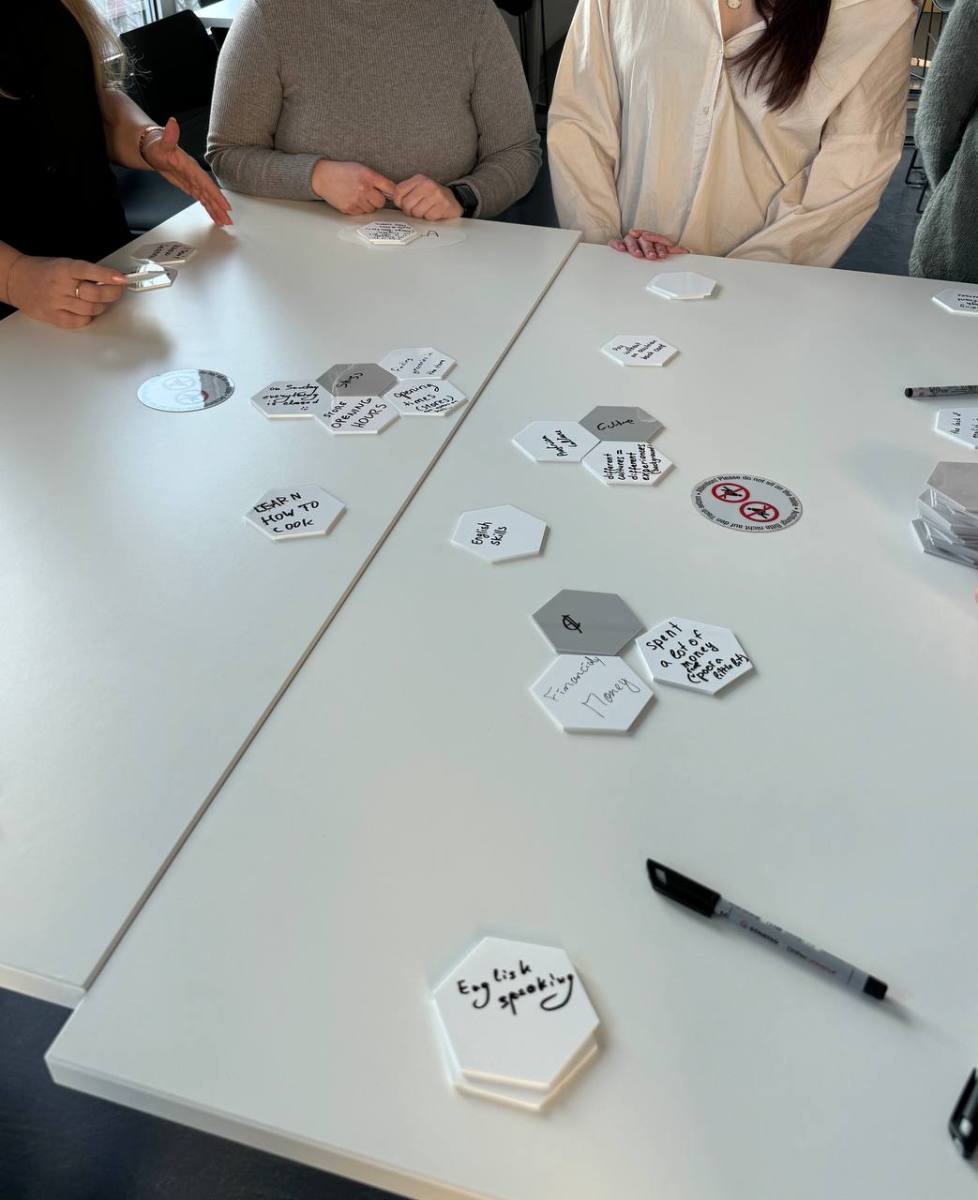
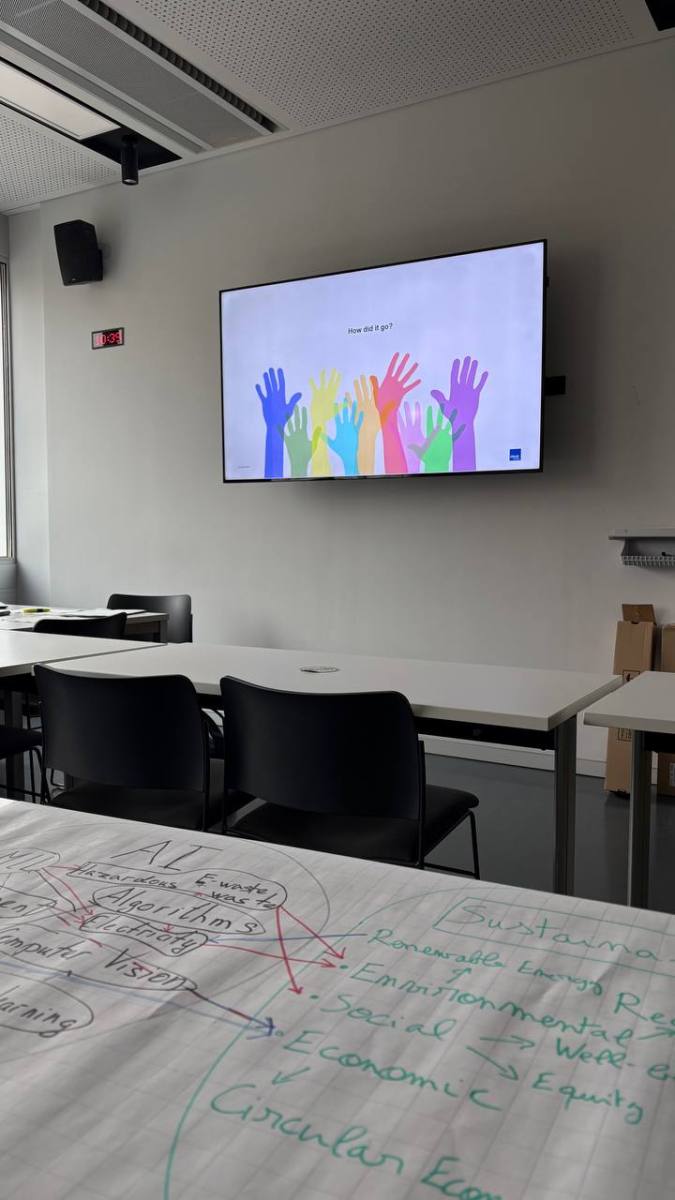
“The university itself exceeded all my expectations. It has a modern campus and many spaces for independent work. The learning process was based on practice, teamwork and real-life cases. We didn’t just listen to lectures — we discussed ideas, worked in teams, took on different roles and learned through practice,” Daria explains.
She also remembers the unique atmosphere of university life. Once the weather became warmer, students could study outdoors by the lake and then go swimming after classes.
“When the weather got warmer, we could study by the lake and then go swimming afterwards,” Daria recalls.
For Daria, however, Erasmus+ was about much more than studying abroad. It was a time of new friendships, independence, discoveries and travelling — an experience that allowed her to look at student life from a completely different perspective.
Based on her own experience, Daria encourages other students who are considering applying for Erasmus+ not to hesitate and to take advantage of the opportunities available to them.
“If you are wondering whether you should apply for Erasmus, my answer is an absolute YES!! It is an opportunity you definitely won’t regret!”