Three Months in Canada: A SumDU Student Shares His Mitacs Experience
International research, new professional skills, friendships with people from around the world, and adventures across Canada — all of this became part of the summer of Ivan Duzhak, a student at the Faculty of Electronics and Information Technologies (ElIT) at Sumy State University, who participated in the Mitacs research program.
Ivan completed his internship at the University of Manitoba in Winnipeg under the supervision of Professor Hamid Mansoor. His research project was titled Visual Analysis of Digital Endpoint Data in Clinical Trials.
We spoke with Ivan about his research experience, life abroad, and why he encourages other students to apply for international programs.
From Zero Experience to an International Research Project
During his internship, Ivan developed a web application designed to help physicians analyze digital endpoint data for a specific disease.
Working in an unfamiliar field proved to be a significant challenge. He had to learn new concepts while simultaneously applying his knowledge to a real research project.
What was the most challenging part of the project?
“Honestly, I had zero experience in this field, so it was VERY difficult — like giving fire to a Neanderthal. I was learning and working on the project at the same time. But it was worth it.”
Despite the challenges, the internship provided valuable hands-on research experience, helped him develop professional skills, and gave him a better understanding of how research is conducted in an international academic environment.
English was another concern before the trip. Ivan worried whether his language skills would be sufficient for everyday communication and academic work. However, after just a few weeks, he felt much more confident speaking English.
“My advice is not to worry too much about your English. I met people who could barely understand anything when they first arrived. The most important things are motivation and genuine interest — everything else will come with practice.”
Life in Canada: Independence and Cultural Exchange
The internship was an opportunity to learn not only professionally but also how to manage everyday life independently.
Living in a student residence, Ivan met people from different countries and discovered an unexpected new hobby: cooking. Before arriving in Canada, he had practically no cooking experience. Soon, however, grocery shopping and preparing meals became part of his daily routine.
Eventually, cooking even became a way to unwind after a day of research.
“I lived in a student residence and cooked for everyone. I made a five-litre pot of borscht three times, along with different sweets. Some people asked for seconds, while others wanted me to cook it again. It was fun.”
Cultural exchange worked both ways. During a Colombian Food Day, his friends from Colombia prepared sancocho, a traditional Colombian soup, introducing other students to their country’s cuisine.
Throughout his stay, Ivan met people from Colombia, Mexico, Pakistan, India, Canada, and many other countries.
How do you make friends when you arrive in another country on your own?
According to Ivan, the key is to stay open to new connections and take the initiative. He even used Reddit to find people to hang out with and met someone who later took him on trips to nearby beaches and other cities.
From Toronto to Banff: Adventures Beyond the University
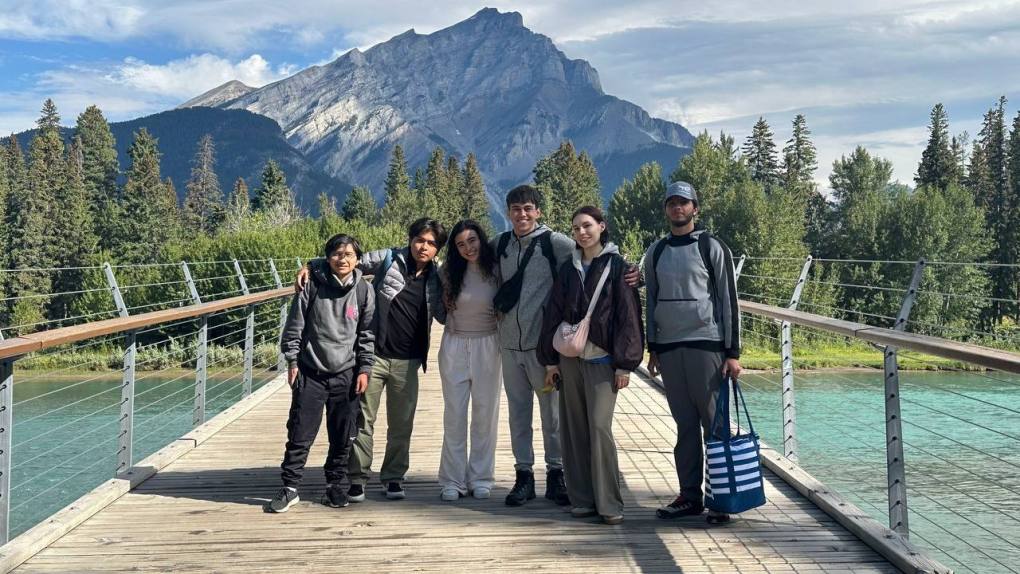
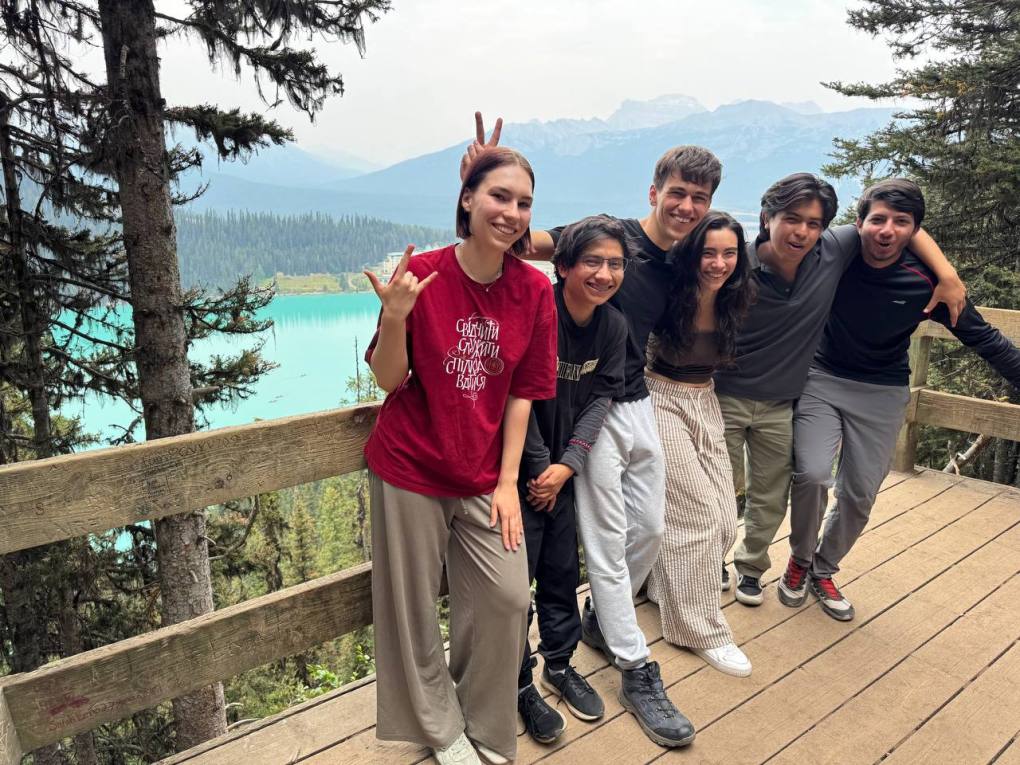
Ivan’s three months in Canada were about much more than research. He also travelled around the country, including spontaneous trips to Toronto and Banff National Park.
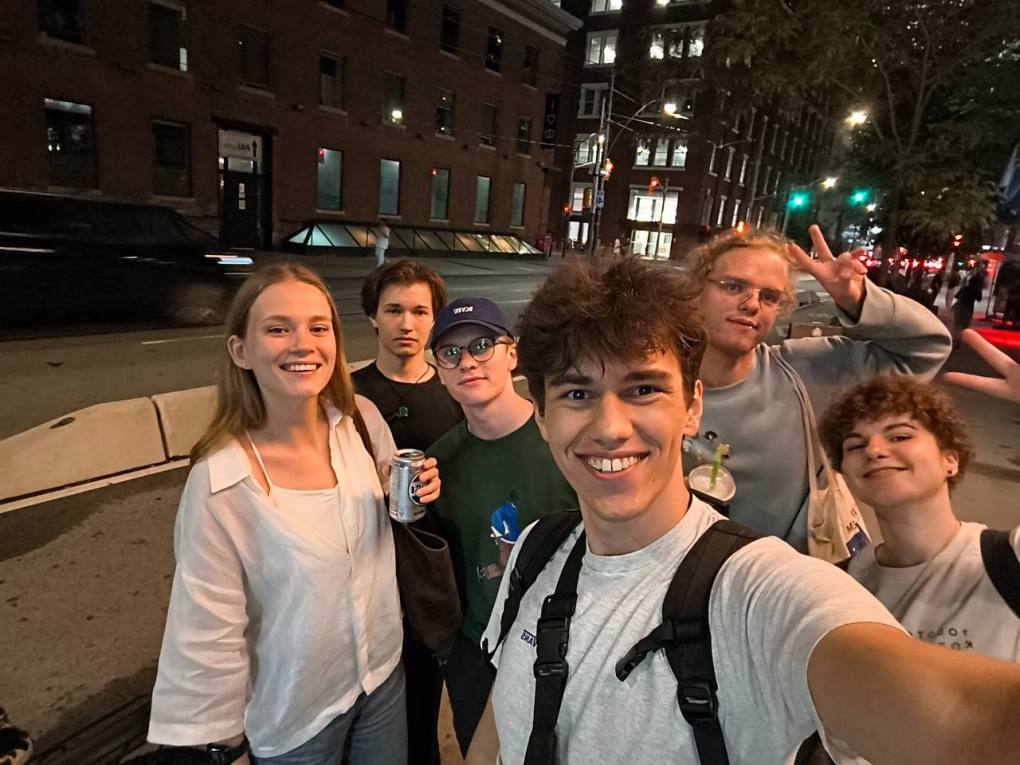
The Toronto trip was arranged on the spur of the moment, with a group of people he barely knew. The trip to Banff, however, became a particularly memorable adventure.
The group planned to spend three nights camping but missed two buses along the way. When they finally arrived with all their food, they discovered that campfires were not allowed.
“We survived on canned tuna for three days. Tuna for breakfast, tuna for lunch, tuna for dinner. I definitely won’t be eating tuna again anytime soon.”
Stories like these became an unforgettable part of the experience, teaching Ivan to adapt to unexpected situations, work with others, and step outside his comfort zone.
Why Apply for Mitacs?
For Ivan, participating in Mitacs turned out to be much more than a summer internship abroad. Working on a research project helped strengthen his CV, develop professional competencies, and experience the benefits of international collaboration firsthand.
The program also helped him improve his English, become more independent, strengthen his communication skills, and build friendships that may last long after returning home.
What would you say to students who are still unsure whether they should apply for an international program?
“My first piece of advice is: apply right now. This program is the best thing that has ever happened to me. In three months, I had more adventures than I probably would have had in ten years living in Sumy.”
After returning from Canada, Ivan almost immediately set off on another international program, this time in Ireland.
His main advice to other students is not to wait until they feel completely ready, but to take advantage of opportunities to learn, conduct research, and grow professionally.
Ivan’s Mitacs experience shows that an international research internship is more than just another line on your CV. It is an opportunity to challenge yourself, discover new horizons, and gain experiences that will stay with you for years to come.